If you've ever called around for a chimney inspection, you've probably noticed the pricing and scope vary a lot from company to company. Part of that is because "chimney inspection" isn't one single service — it's a term that covers a few different levels of scrutiny, and knowing which one you actually need can save you both money and headaches.
What a Level 1 Inspection Covers
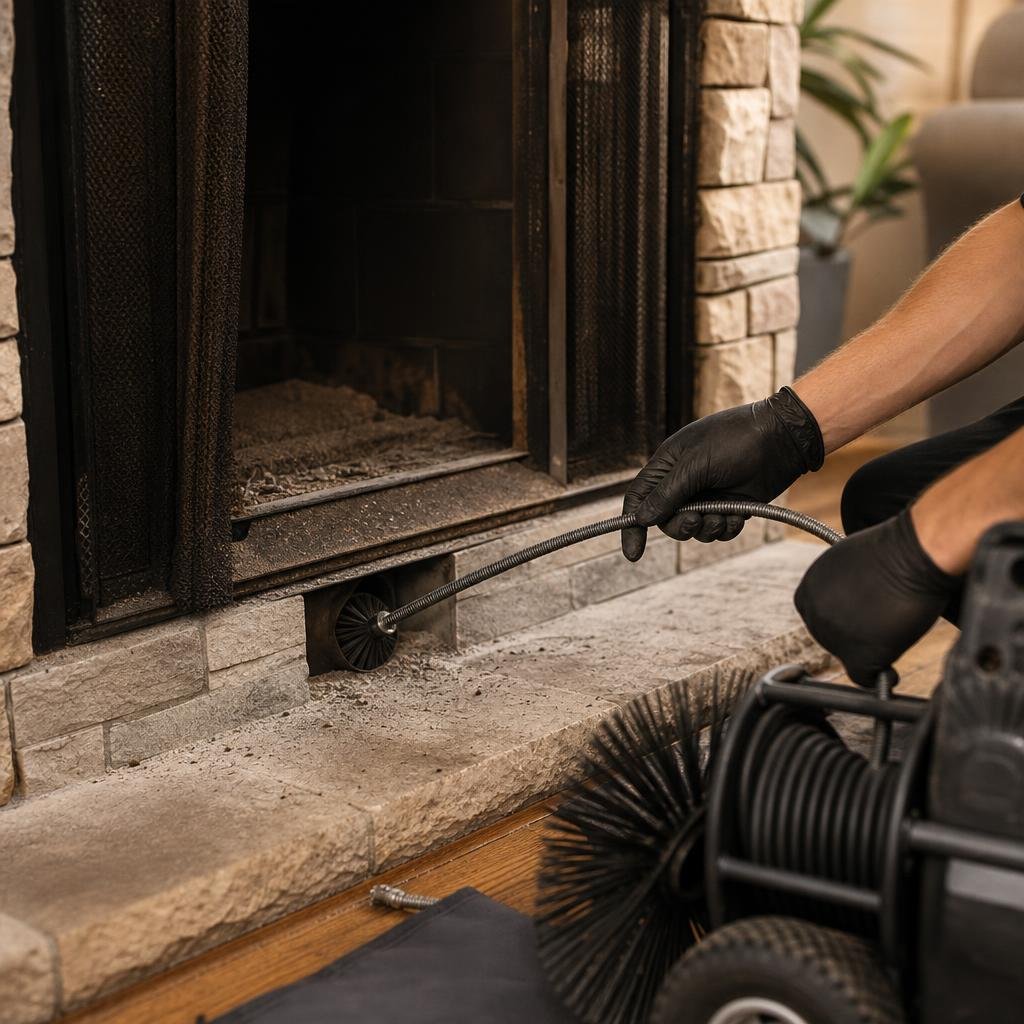
A Level 1 inspection is the basic, routine check recommended for a chimney that's in continued regular service, hasn't had any changes made to it, and has no known or suspected problems. The technician examines all the readily accessible portions of the chimney exterior, interior, and accessible parts of the appliance connection — things you can see without tools, ladders to the roof, or removing components. They're checking for the basics: soot and creosote buildup, obvious damage, and whether the chimney is structurally sound and properly connected. For a chimney that gets swept and checked on a normal annual schedule with no red flags, a Level 1 inspection is usually all that's needed.
What a Level 2 Inspection Adds
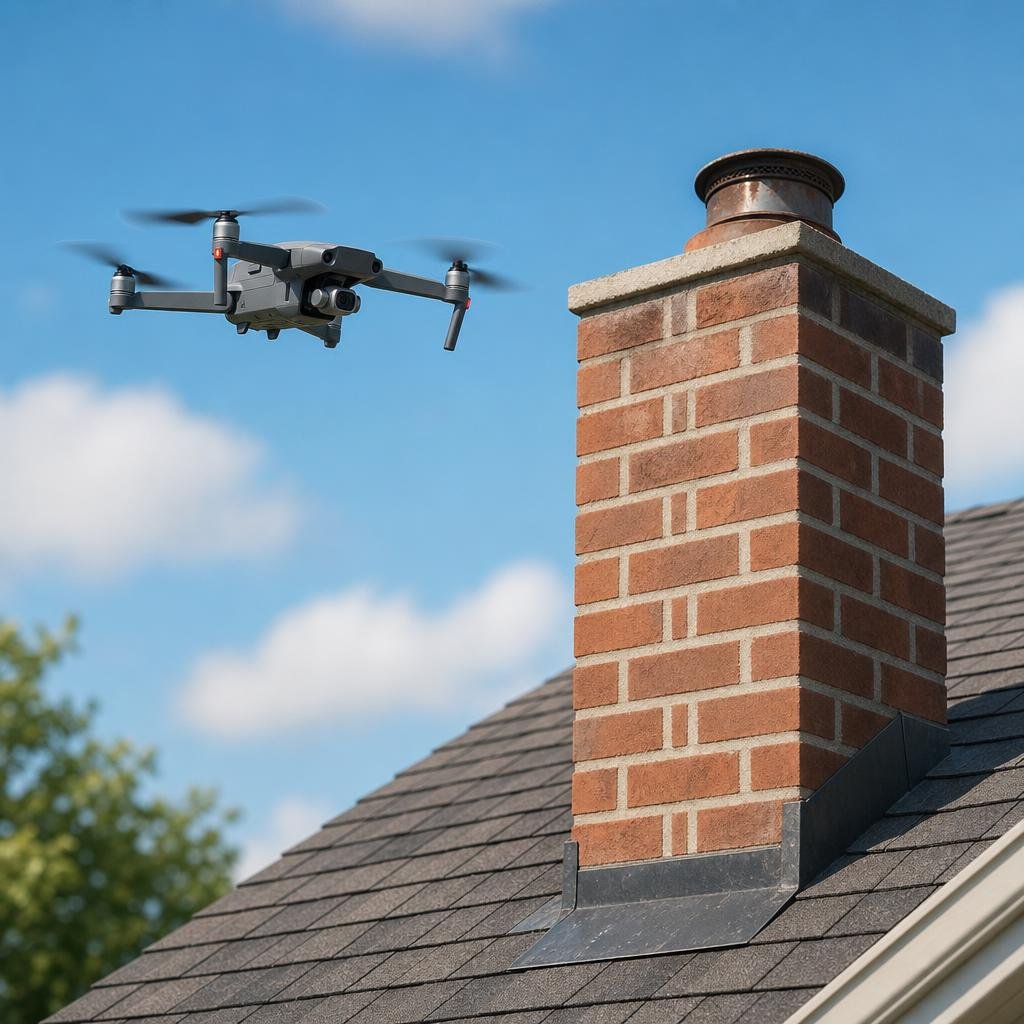
A Level 2 inspection includes everything in a Level 1, plus a much closer look at areas a basic visual check can't reach. That means an internal video camera inspection of the flue and liner from top to bottom, a full evaluation of the firebox and smoke chamber, a damper inspection, and accessible portions of the attic, basement, and crawlspaces where the chimney passes through. Many companies, including ours, also use a drone for exterior views of the crown, cap, and upper masonry that would otherwise require a ladder or roof access. The result is a far more complete picture of the chimney's actual condition, not just what's visible from the ground or the firebox.
When a Level 2 Inspection Is Typically Required
Industry guidance (NFPA 211) calls for a Level 2 inspection in a handful of specific situations: when a property is being sold or transferred, after a chimney fire, after an appliance, fuel type, or flue liner is changed, or after any event — like a major storm, an earthquake, or a lightning strike — that could reasonably have caused damage to the chimney system. In other words, a Level 2 is the standard whenever there's a reason to believe something may have changed or gone wrong, not just for routine annual upkeep.
Why the Difference Actually Matters
A Level 1 inspection can miss real problems simply because it isn't designed to look past what's readily visible. A cracked flue tile, a separated liner joint, or moisture damage inside the smoke chamber won't show up on a basic walkthrough — but they're exactly the kind of issues that can lead to a fire or a costly repair down the road if left unaddressed. If you're buying a home, dealing with a chimney that hasn't been used in years, or just want real peace of mind rather than a quick glance, the more thorough option is worth it.
Which One Should You Book?
If your chimney is used regularly, has been inspected and swept on schedule, and nothing about it concerns you, a Level 1 inspection paired with a routine sweep is reasonable. If you're buying or selling a home, haven't had the chimney checked in a while, changed your heating appliance, or just experienced a chimney fire or major weather event, go straight to a Level 2. Our $99 Level 2 inspection includes the internal flue camera work and drone-assisted exterior views described above, so you get the full picture in one visit instead of guessing which level you need and having to schedule a second appointment later.