"Once a year" is the answer most homeowners have heard, and it's a reasonable starting point — but it's not the whole story. How often your chimney actually needs to be swept depends on how you use your fireplace or heating appliance, not just the calendar.
Why Sweeping Frequency Isn't One-Size-Fits-All
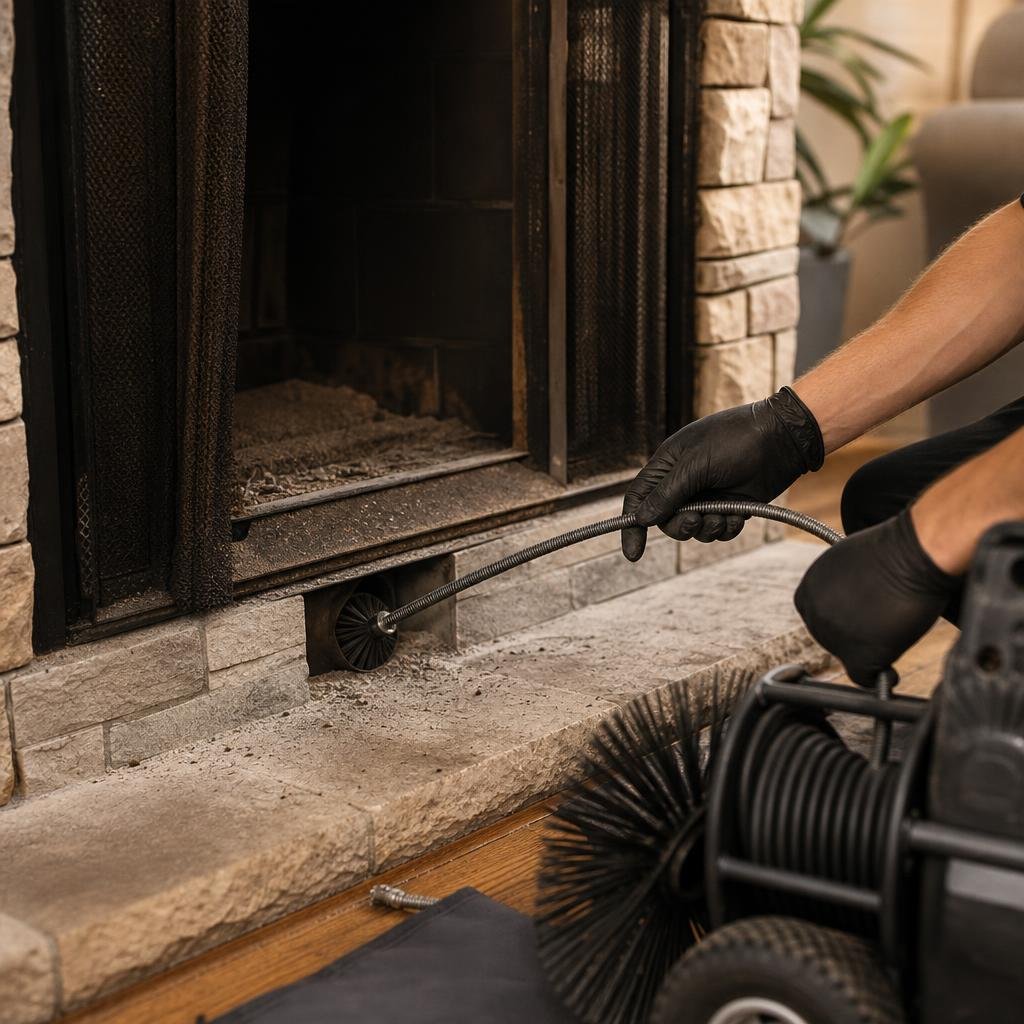
Every time wood burns, it leaves behind soot and creosote inside the flue. How fast that builds up depends on a few things: how often you use the fireplace, what kind of wood you burn (seasoned hardwood burns cleaner than wet or softwood), and how efficiently your chimney drafts. A household that lights a fire once or twice a month through the winter will build up creosote much more slowly than one that burns nightly.
The National Fire Protection Association Standard
The NFPA recommends chimneys, fireplaces, and vents be inspected at least once a year, and swept whenever inspection shows soot or creosote buildup, obstruction, or damage. In practice, that means an annual inspection is the real baseline — sweeping happens when the inspection says it's needed, not automatically every twelve months regardless of use.
Signs Your Chimney Is Overdue
Between inspections, a few signs suggest it's time to call sooner rather than later: a smoky smell from the fireplace even when it's not in use, visible soot flaking into the firebox, a fire that seems to smoke more than usual, or a damper and firebox that look noticeably dirty when you look up the flue with a flashlight. If your chimney hasn't been swept in over a year and you've been using it regularly, it's worth scheduling a look.
Sweeping and Inspection Work Together
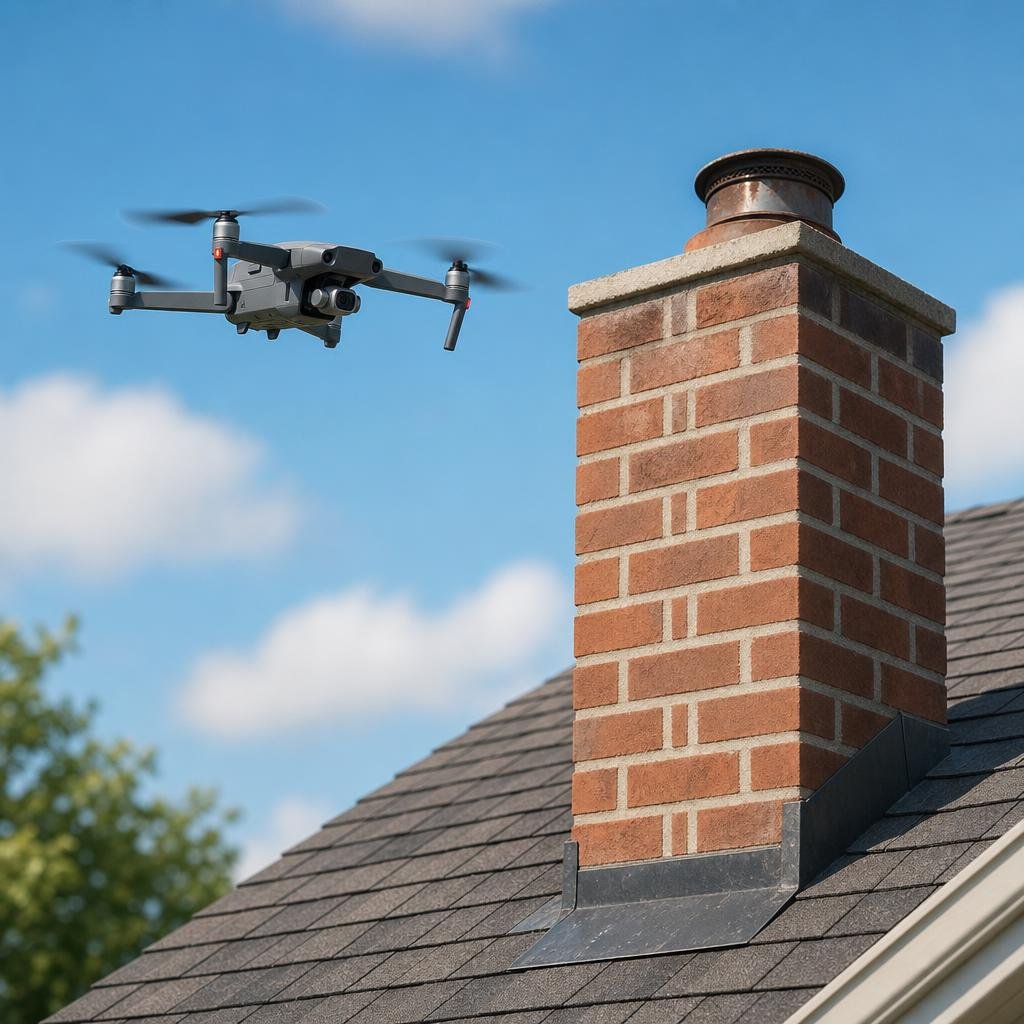
A sweep clears out what's already built up. An inspection tells you what's happening structurally — cracks, liner damage, deteriorated mortar — that sweeping alone won't reveal or fix. That's why we usually recommend pairing the two: our $99 Level 2 inspection includes a drone-assisted exterior look and an internal flue camera inspection, so you get a full picture of your chimney's condition, not just a cleaner flue.
The Bottom Line
If you use your fireplace regularly through the season, plan on an annual check. If you use it occasionally, an inspection every year or two is still worth doing — it's the only reliable way to catch a problem before it becomes an expensive one.