Exterior paint isn't just about the color you pick — it's about whether the paint gets a fair chance to cure the way the manufacturer designed it to. Paint applied in the wrong conditions can look fine on day one and start failing months later: peeling, blistering, or curing with a rough, uneven texture. Timing matters, and it's about more than just "warm enough."
Why Temperature and Humidity Actually Matter
Exterior paints are formulated to cure within a specific temperature range, and most products need both the air and the surface temperature to stay within that range for a stretch of time after application — not just at the moment of brushing it on. Paint applied too cold cures slowly and unevenly, which can cause poor adhesion and a chalky or cracked finish down the road. High humidity slows drying time and can trap moisture under the surface, leading to blistering. And painting right before rain is one of the most common ways a fresh coat gets ruined before it's had a chance to set.
Why Late Spring Through Early Fall Works Best Here
In the Northeast and mid-Atlantic climate we work in around Monsey and the broader Rockland County area, late spring through early fall tends to offer the most consistent stretch of paint-friendly weather — moderate daytime temperatures, lower humidity than midsummer's worst days, and a decent chance of multi-day dry spells. Early spring and late fall can still work on the right week, but the margin for error is smaller: a cold snap or an early frost can shut down a project fast.
Extreme Heat Causes Its Own Problems
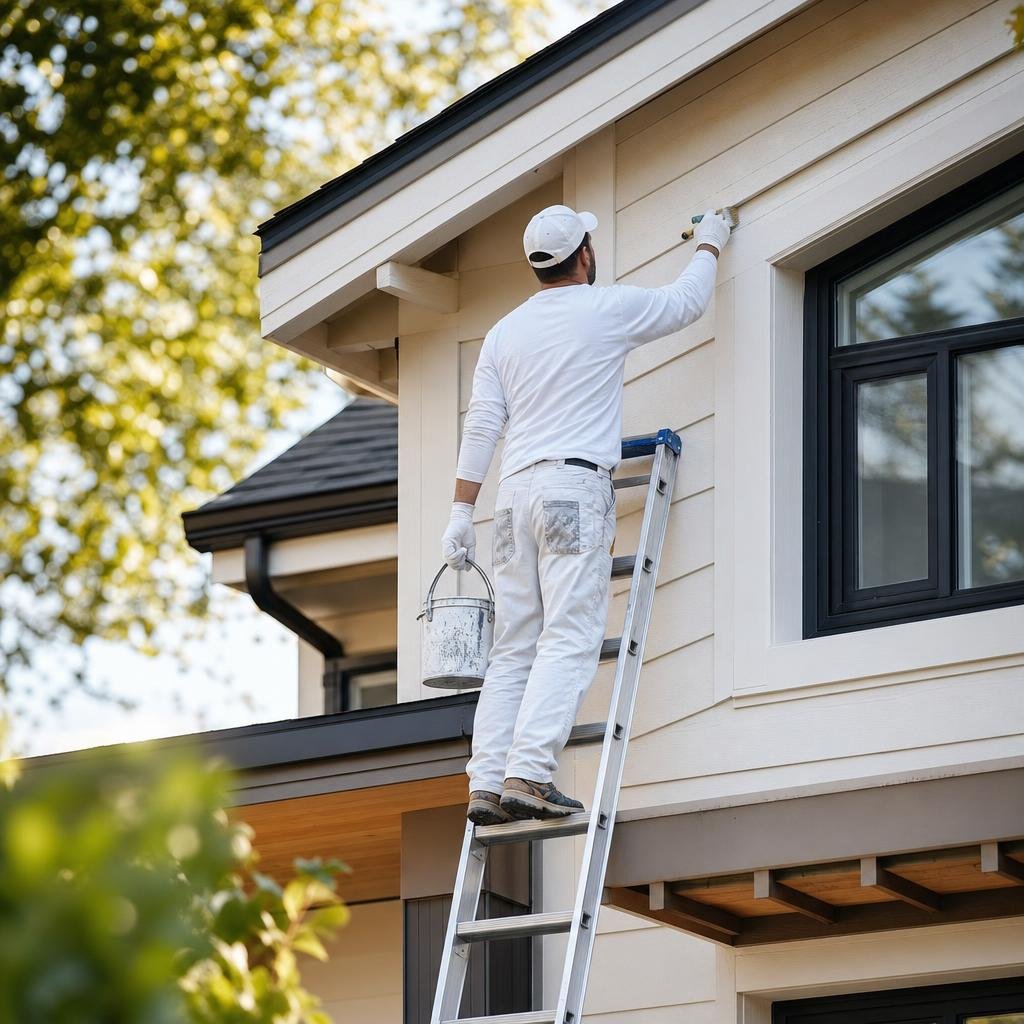
It's not just cold weather that causes issues. Painting a wall in direct, intense summer sun can cause the paint to dry too fast on the surface before it has a chance to bond properly underneath, leading to lap marks, brush marks that don't smooth out, and uneven sheen. That's why experienced painters often work the shaded side of a house in the morning and follow the sun around, rather than painting whatever side is easiest to reach at the hottest part of the day.
A Dry Surface and a Dry Forecast Are Non-Negotiable
Paint needs to go onto a dry, clean surface, and it needs a real window afterward without rain. Morning dew is an easy one to overlook — siding that looks dry can still be damp enough to affect adhesion, which is why most exterior jobs wait for the surface to fully dry out before starting. Checking a multi-day forecast, not just the day of, is standard practice before committing to a full exterior repaint.
Prep Work Matters More Than the Exact Week
Even in perfect weather, a paint job is only as good as the prep behind it. Washing the siding to remove dirt, mildew, and chalking; scraping and sanding failing paint; repairing rot or caulking gaps; and priming bare or patched areas all do more for how long a paint job lasts than picking the single best week of the year. A rushed job in ideal weather will still fail early if the surface underneath wasn't properly prepped.
The Bottom Line
Aim for a stretch of moderate, dry weather — generally late spring through early fall in our area — and prioritize proper surface prep over chasing a perfect date. If you're planning an exterior repaint, our paint services team can help you time the project around your home's specific exposure and condition, not just the season.