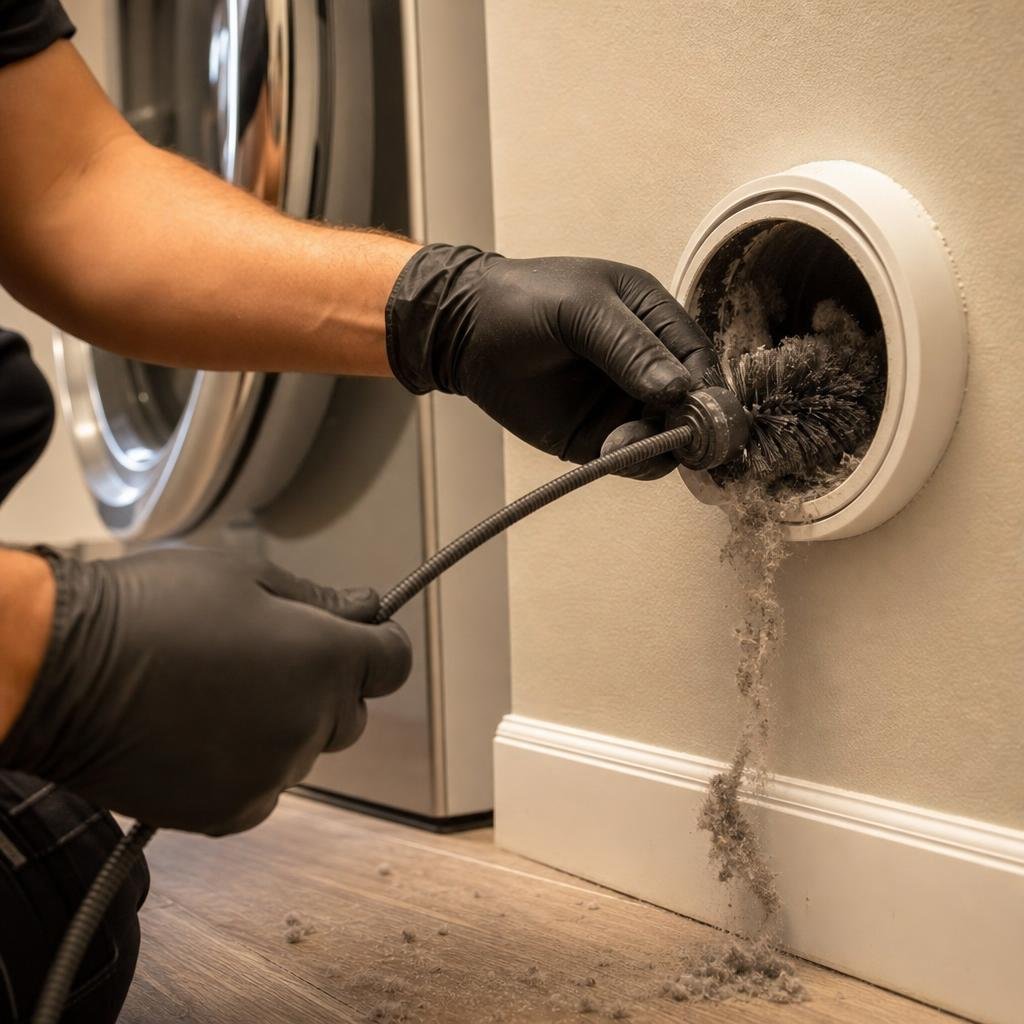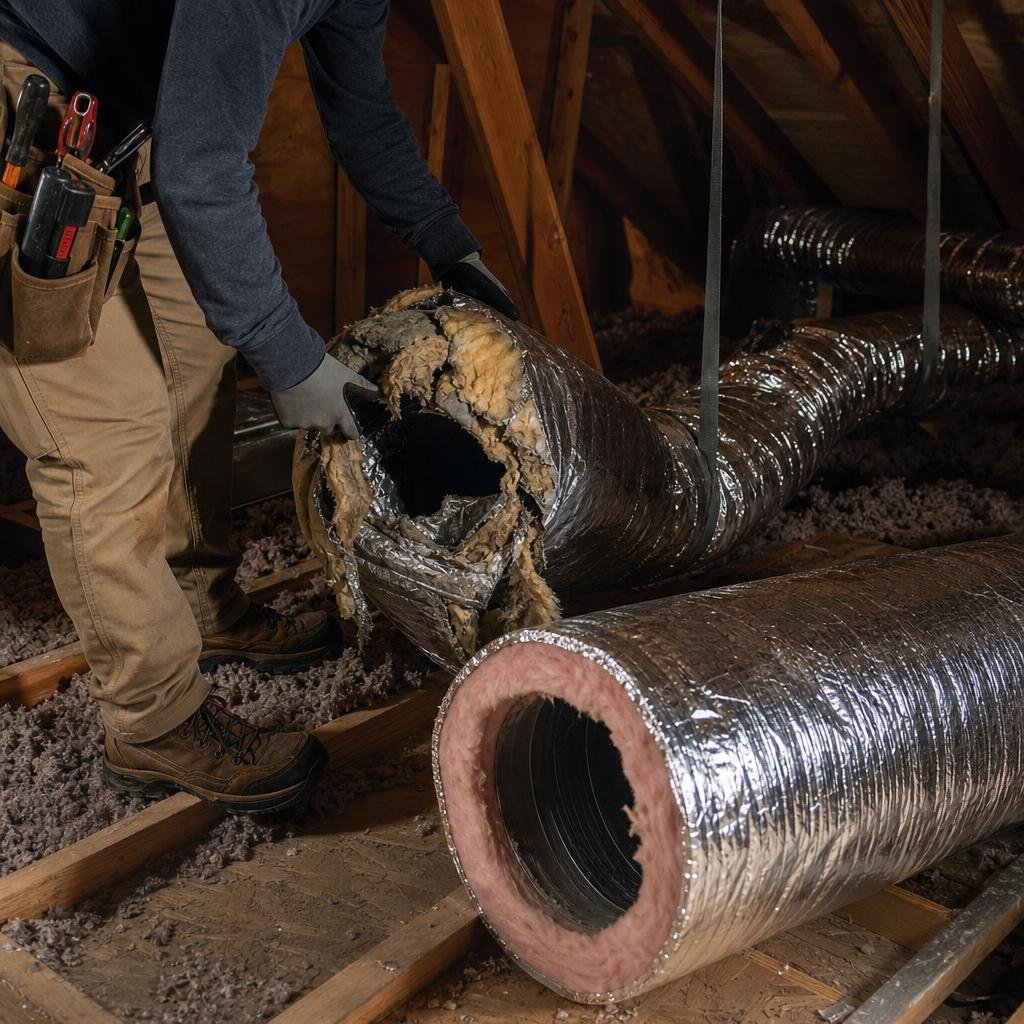
When your HVAC system isn't performing the way it used to, it's easy to assume the ducts just need a cleaning. Sometimes that's exactly right. Other times, cleaning would only be a temporary fix for ductwork that's actually failing and needs to be replaced. The two services solve very different problems, so it's worth knowing how to tell them apart before you book one or the other.
When Cleaning Is the Right Call
Duct cleaning makes sense when the ductwork itself is structurally sound — no crushed sections, no gaps, no rust-through — but it's accumulated dust, debris, pet hair, or odors over the years. This is common in homes that haven't had duct service done since they were built, after a renovation that kicked up construction dust, or in households with pets or allergy concerns. Cleaning removes what's built up inside intact ducts; it doesn't fix ducts that are damaged or falling apart.
When Replacement Is the Right Call
Replacement becomes the answer when the ducts themselves are compromised. That includes sections that are crushed or dented (common in attics and crawlspaces where ducts get stepped on or shifted), disconnected joints, torn flex duct, or metal ductwork that's rusted through. It's also the better option when ducts are simply too old, poorly sealed, or leaky to bring up to an efficient standard — at some point, sealing and patching stops being cost-effective compared to putting in new ductwork that's properly sized and sealed from the start.
Signs to Watch For
A few practical clues point you in one direction or the other. Weak or inconsistent airflow from vents, noticeably uneven temperatures between rooms, and rising energy bills without a clear cause often point to leaky or damaged ductwork rather than dirty ductwork. Dust blowing out of vents shortly after the system turns on, or dust that resettles quickly after cleaning your home, points more toward a buildup issue that cleaning can resolve. If you can physically access sections of duct in the attic, basement, or crawlspace, visible damage — crushed runs, gaps at the joints, or rusted metal — is a clear sign replacement is the better route.
The Middle Option: Sealing and Insulating
Not every problem duct needs to be torn out and replaced. If the ductwork is in reasonably good shape but leaking air at the joints or losing efficiency due to poor insulation, sealing and insulating the existing runs can meaningfully improve performance without the cost of a full replacement. It's worth discussing this option specifically if your main concern is energy bills or comfort rather than visible physical damage.
Why an Inspection Is the Only Way to Know for Sure
Because so much of your ductwork is hidden behind walls, above ceilings, or tucked into attics and crawlspaces, there's really no substitute for having someone physically inspect the system before deciding between cleaning, sealing, or replacement. A proper inspection identifies exactly which sections are sound and which aren't, so you're not paying for a cleaning that won't solve the problem, or replacing ductwork that only needed to be cleaned. If you're seeing any of the signs above, the right next step is to have your ductwork professionally inspected so you know which service actually fixes the issue.